


The Art of the Event Reveal: How to Use Cocktail Hour | StarBase
The Art of the Event Reveal: How Cocktail Hour Can Transform the Guest Experience
Imagine your guests arrive, check in, grab a cocktail and start mingling. The music is playing, drinks are flowing and the room is filling up.
But they haven’t seen the actual event yet.
Then cocktail hour ends. The doors open, the music shifts and suddenly an entirely new space is revealed: the entertainment, the food, the activations, the lighting and everything you’ve spent months planning.
It feels like the event just started all over again. That’s the power of an event reveal.
When planning an event, we often think about what guests will see: the décor, entertainment, food, activations and overall event design. But there’s another question that can completely change the guest experience:
When should they see it?
Guests don’t necessarily need access to the entire event venue the moment they arrive. By intentionally controlling what guests experience first, cocktail hour can become more than a pre-event gathering. It can build anticipation, improve guest flow and set up one of the most memorable moments of the night.
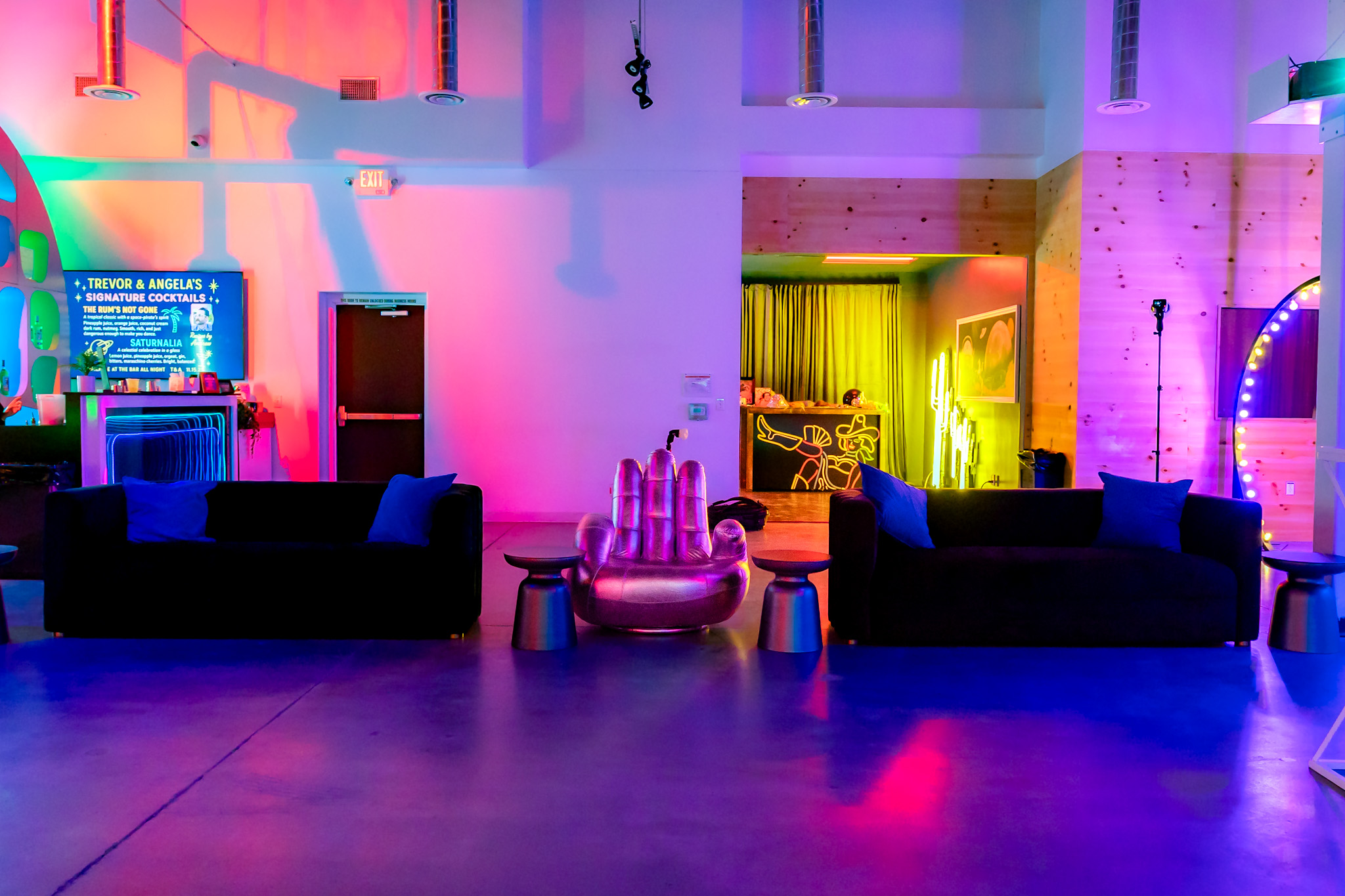
At StarBase, that could mean starting cocktail hour in Valley View while keeping the rest of the venue closed. And when those doors finally open? That’s when the next chapter begins.
USE COCKTAIL HOUR AS THE OPENING ACT
Most people already know the basic idea of cocktail hour: guests arrive, grab a drink and mingle before dinner or the main program. But from an event planning perspective, cocktail hour can do much more.
Instead of treating it as time to fill before the “real” event begins, think of it as the opening act. It gives guests a dedicated arrival experience while allowing you to save the biggest parts of the event for later.
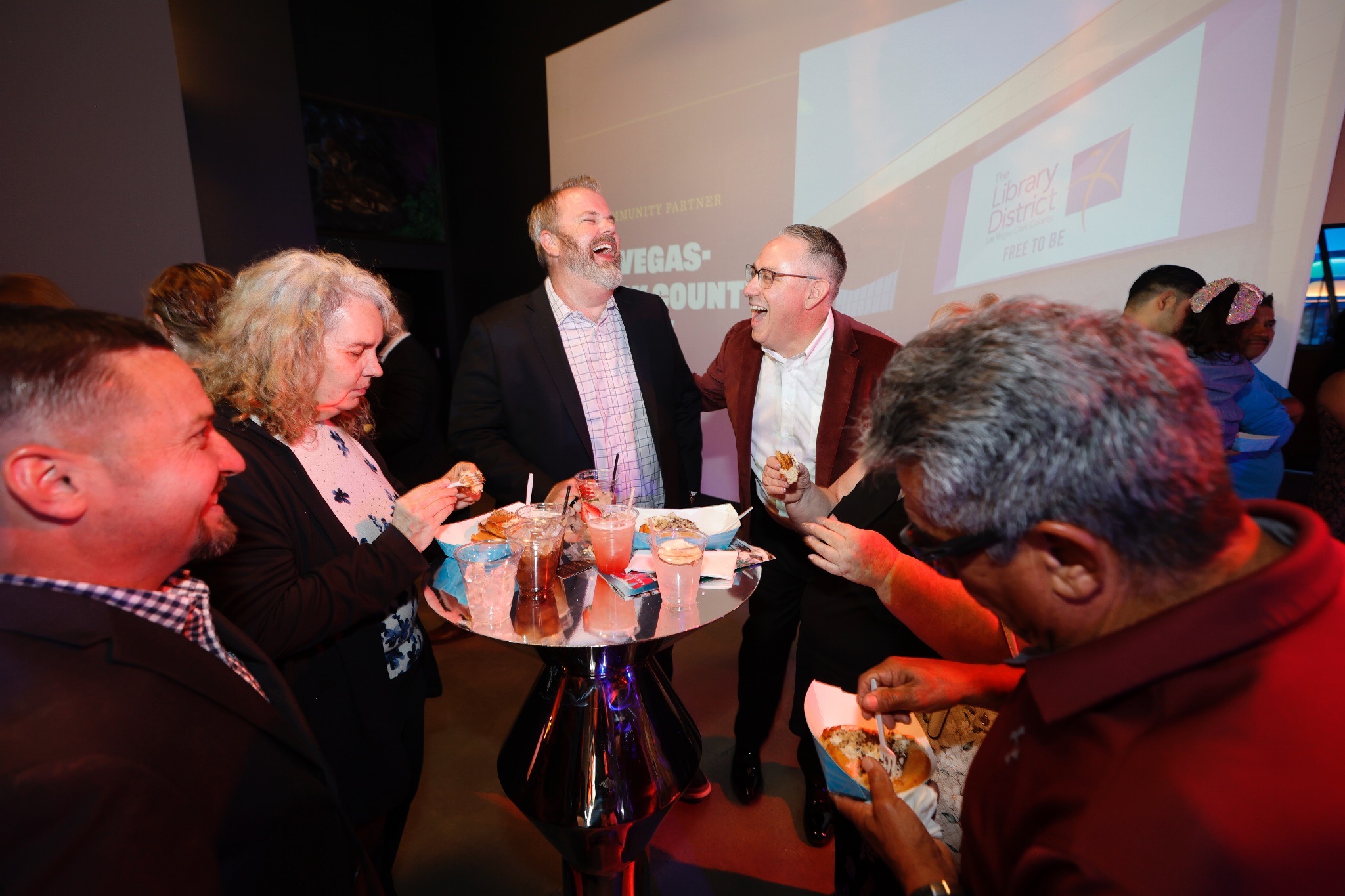
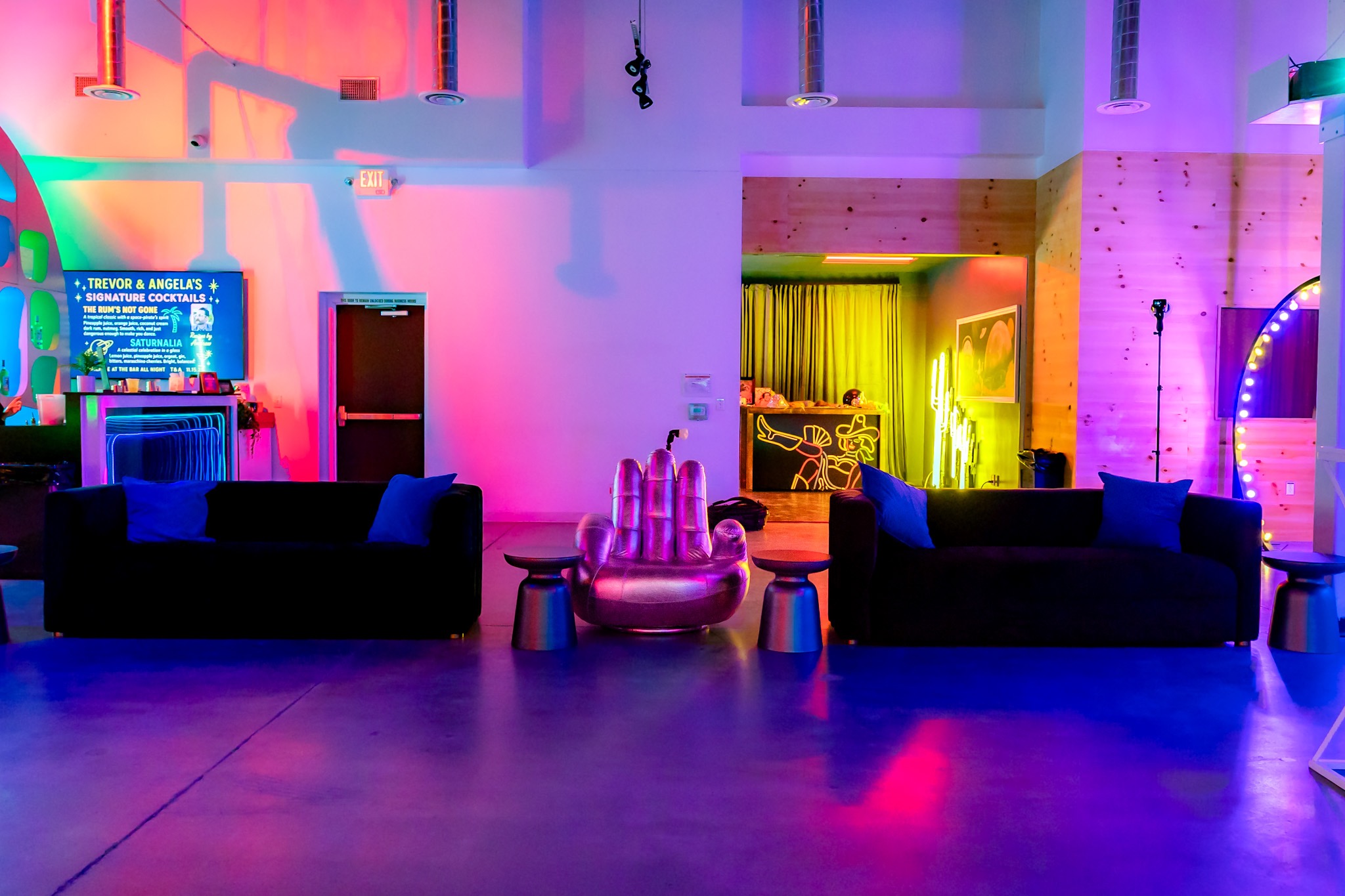
For an event at StarBase, Valley View can become that first destination. Welcome cocktails, passed bites, music or a smaller activation can give guests plenty to experience while the rest of the venue stays out of sight.
The key is making that first space feel complete enough that guests aren't wondering what they're missing. They don't need to know what's coming next yet.
WHY NOT OPEN THE WHOLE VENUE RIGHT AWAY?
Here’s something worth considering when planning your event layout: guests explore quickly.
Give them access to every room, bar, activation and entertainment area from the beginning, and they’ll naturally start wandering. Before the full guest list has even arrived, your earliest guests may have already seen most of the event.
It can also spread out the crowd before you’ve had a chance to build energy. Cocktail hour gives you more control over that first impression.
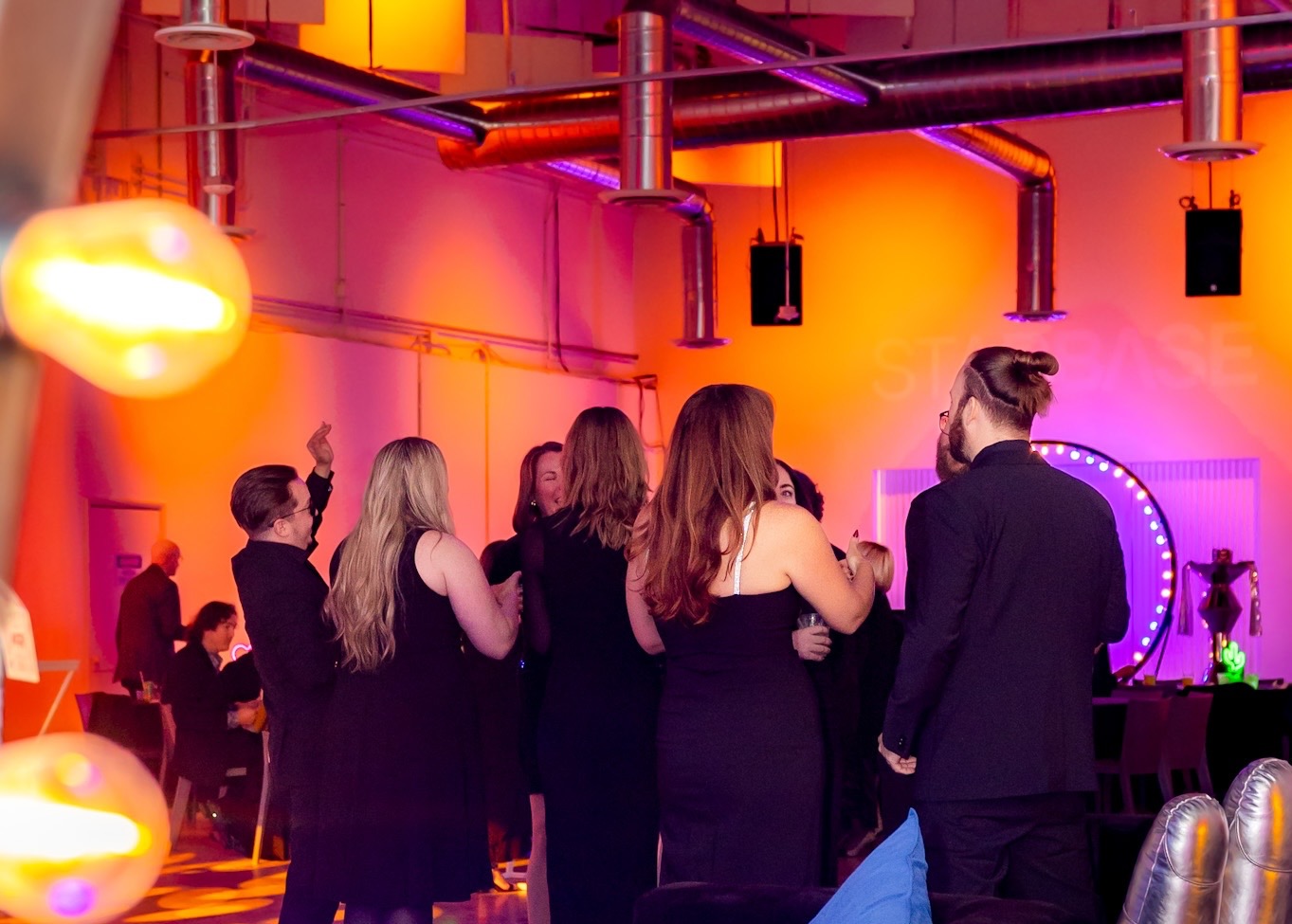
By beginning in a designated area, early arrivals have somewhere intentional to go. Guests naturally gather together, conversations start and the room gradually fills.
Then, instead of 10 or 20 guests at a time discovering the main event space as they arrive, you can have a much larger portion of your guest list experience it together. The exact same venue can suddenly feel much more impactful.
THE REVEAL DOESN’T HAVE TO BE COMPLICATED
An event reveal sounds dramatic, but it doesn't necessarily require a curtain drop and a full production cue. Sometimes, opening a set of doors is enough. What matters is that guests can feel a transition between one part of the event and the next.
The music might change. The lighting can shift. Entertainment can begin. Performers might greet guests as they enter. Even something as simple as increasing the energy of the playlist as the doors open can signal: we’re moving on to something new.
For larger corporate events, brand activations and experiential events, that transition can become a bigger production moment with coordinated lighting, audio, performers or branded content.
For a private celebration, it might simply be the excitement of discovering another room filled with food, entertainment and activities. Either way, you’ve created another moment for guests to remember.
COCKTAIL HOUR CAN SOLVE A GUEST FLOW PROBLEM, TOO
There’s also a practical reason this works so well. Guests rarely arrive at exactly the same time.
If doors open at 6:00 PM, some guests might be there at 5:55. Others arrive at 6:10, 6:20 or later. When the entire event venue is immediately accessible, those first arrivals can end up exploring a relatively empty space. And an empty room feels very different from a room filled with people. A dedicated cocktail hour creates a landing place for staggered arrivals. Guests check in, grab a drink and mingle while the crowd builds naturally. By the time you’re ready for the main event reveal, more people are there to experience it.
That can make the transition feel more exciting while also helping your event timeline and guest flow feel intentional.
DECIDE WHAT YOU WANT TO HOLD BACK
The fun part is that you don't necessarily have to hide an entire room. You can apply the same event planning strategy on a smaller scale.
Maybe guests have access to the welcome bar during cocktail hour, but your main bars aren't open yet. Maybe they hear the band warming up without seeing the stage. Maybe a photo activation is available when they arrive, while larger interactive experiences open later.
You can even think about food this way. Welcome bites might be available during cocktail hour, with larger food stations or a completely different culinary experience revealed later.
You’re essentially deciding which pieces of the event belong in chapter one and which ones deserve to wait.
THINK BEYOND “WHAT GOES WHERE?”
When creating an event floor plan, most of the conversation naturally focuses on placement. Where should the bar go? Where should we put the photo booth? Where does entertainment happen? Where should guests enter? Those are important questions.
But try adding one more:
When should guests experience it?
Suddenly, the floor plan becomes part of the event timeline. The welcome area serves one purpose during arrival. Cocktail hour creates another experience. The main event space introduces something new. Later in the evening, another activation, performance or food experience can give guests something else to discover.
You’re no longer just filling a venue with things to do. You’re thinking about how the experience unfolds.
DESIGN THE EVENT IN CHAPTERS
One of the easiest ways to approach event design is to stop thinking about the night as one continuous four or five-hour experience.
Think about it in chapters: Arrival. Cocktail hour. Reveal. Main event. Closing.
Each chapter should feel connected, but it doesn't have to feel exactly the same. The energy can build. Lighting can change. Music can evolve. New areas can open. Food and beverage offerings can shift. Entertainment can appear at different points throughout the night.
For corporate events, brand activations, private celebrations and large-scale events in Las Vegas, this kind of progression can make a guest experience feel much more intentional without necessarily requiring more décor or more activations.
Sometimes, you're simply changing when guests experience what you've already planned.
DON’T GIVE AWAY THE WHOLE EVENT AT THE DOOR
A memorable event isn't always about adding more. Sometimes, it's about knowing what to save for later.
Starting with cocktail hour in a space like Valley View before opening the rest of StarBase gives guests time to arrive, settle in and connect. At the same time, it gives the event somewhere to go.
And that's the real value of the reveal. You’re creating anticipation. You're controlling the first impression. You're giving guests a reason to wonder what’s next.
Then the doors open. And suddenly, they get to experience that feeling of arriving all over again.
September 25, 2026
Table of contents
Blogs
What We’re Talking About



StarBase is the world’s first hybrid entertainment and event space located in Las Vegas that combines live and virtual event experiences for corporate events, viewing and watch parties, live performances, entertainment experiences, and social receptions.
We are Proud

